Category: Common Conditions

ACL Injury Ipswich rehabilitation
Common Conditions
Daniel Rothenberg

Anterior Cruciate Ligament (ACL) Injury & Rehabilitation

Introduction Anterior cruciate ligament (ACL) injuries are a common occurrence in sports and physical activities that involve sudden changes in direction, pivoting, or deceleration. The ACL is one of the key ligaments in the knee joint, providing stability and preventing excessive forward movement of the tibia (shin bone) in relation to the femur (thigh bone). Understanding the mechanisms of injury,

Read More »
Achilles Tendinopathy
Common Conditions
Daniel Rothenberg

Achilles Tendinopathy

What is a tendon and what is its function? A tendon is a connective tissue that attaches muscle to bone. The primary function of a tendon is to both absorb and transmit force much like a spring. In the body we call this spring like mechanism a Stretch Shorten Cycle (SSC) which is an important component of basic human movements

Read More »
Lower Back Pain
Common Conditions
Daniel Rothenberg

Lower Back Pain – Ipswich Chiropractor

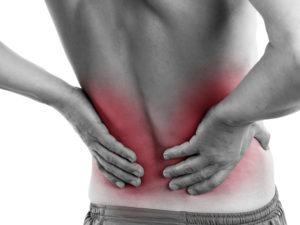
Lower back pain is the most common reasons for someone to seek care from a chiropractor or physiotherapist. In fact, worldwide lower back pain relief has become one of the leading causes for seeking care from doctors and allied health professionals.  The Lancet (a highly reputable academic source) recently published updated guidelines and a call to action regarding the need to

Read More »
Hip Pain
Common Conditions
Daniel Rothenberg

Lateral Hip Pain

Lateral hip pain (or outside of the hip pain) is a common condition that’s often found in runners and women over the age of 40, and may require a chiropractic adjustment for hip joint pain as part of the rehabilitation process.  Pain in the hip area is often provoked when laying on the affected side at night, as well as

Read More »
Tennis Elbow
Common Conditions

Tennis Elbow (Lateral Epicondylitis)

The anatomy of the elbow joint.  The elbow joint is what is called a hinge joint, in that it only allows movement in one plane of motion. There are 3 bones involved which are the humerus, ulna and radial bones. The radius and ulna articulate with each other in two areas of the forearm at both ends this allows for the movement of supination and pronation

Read More »